
Dry Needling
What is Dry Needling?
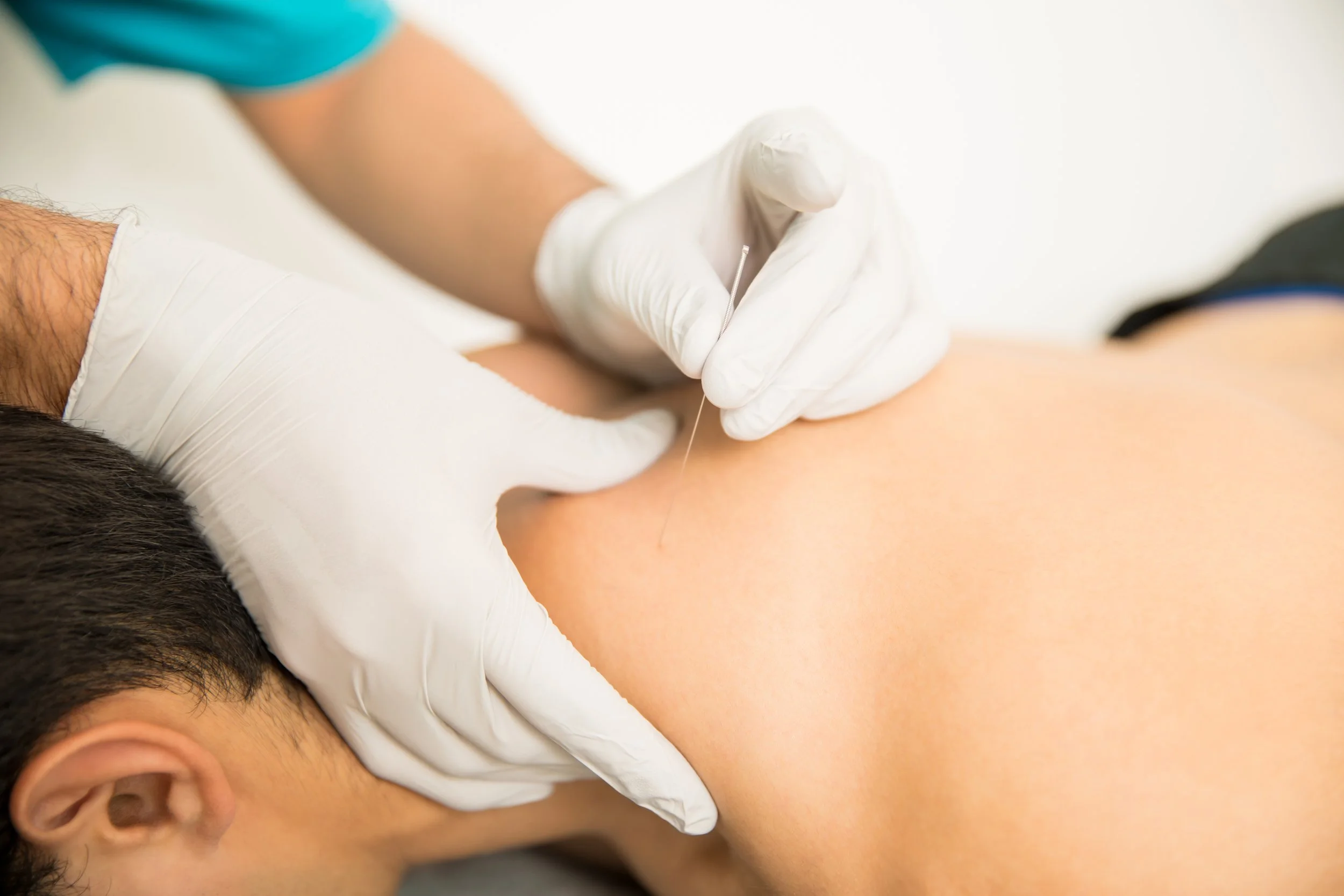
Dry needling is a skilled therapeutic technique performed by licensed physical therapists to relieve muscle pain, reduce tension, and restore movement. During treatment, a thin, sterile filament needle is gently inserted into trigger points or tight bands of muscle that can cause pain, stiffness, or restricted mobility. The goal is to release these dysfunctional muscle areas, improve blood flow, and reset the body's natural healing processes.
Benefits of Dry Needling
✔ Effective Pain Relief
Releases tight, irritated muscles and trigger points responsible for back pain, neck pain, shoulder pain, hip pain, and more.
✔ Improved Mobility & Flexibility
Loosens restricted areas and helps you move freely again.
✔ Accelerated Injury Recovery
Boosts circulation and stimulates the body’s natural healing response.
✔ Decreased Nerve Irritation
Helps reduce radiating pain, numbness, and tingling associated with nerve compression.
✔ Enhanced Performance for Athletes
Improves muscle activation and supports injury prevention.
✔ Works Seamlessly With Physical Therapy
When combined with corrective exercise and hands-on treatment, dry needling delivers long-lasting results.
Common Conditions Dry Needling Helps Treat
Neck and back pain
Shoulder and rotator cuff pain
Hip arthritis and tightness
Sciatica and nerve irritation
Knee pain
Plantar fasciitis
Headaches and migraines
Tendonitis (Achilles, patellar, elbow)
Forearm pain
Chronic tightness
Sports injuries (running, lifting, overhead sports)
Frequently Asked Questions
1. Does dry needling hurt?
Most people feel only a quick pinch or mild ache. You may feel a muscle “twitch,” which is a normal response that often leads to significant relief. Mild soreness for 24–48 hours is common.
2. Is dry needling safe?
Yes. When performed by a licensed physical therapist, dry needling is considered very safe. Single-use, sterile needles are always used.
3. What is the difference between dry needling and acupuncture?
Dry needling targets muscular trigger points using Western anatomy and neuromuscular science. Acupuncture is based on traditional Chinese medicine and energy meridians. Both use similar needles, but the methodology differs.
4. How long does a dry needling session take?
Most treatments last 10–20 minutes and are combined with manual therapy, stretching, and corrective exercises for optimal results.
5. How many sessions do I need?
Many patients notice improvement after 1–2 treatments. Chronic conditions may require multiple sessions for lasting changes.
6. Is everyone a candidate for dry needling?
Most people qualify, but your therapist will review medical history, medications, and comfort level before beginning treatment.
7. Do you offer mobile dry needling?
Yes, dry needling is performed conveniently in your home, workplace, or preferred location on a treatment table.
8. How much does dry needling cost?
Dry Needling can be added onto a physical therapy visit for an additional cost of $25. For visits where you are only having dry needling, it will cost $100 for a 45 minutes.